
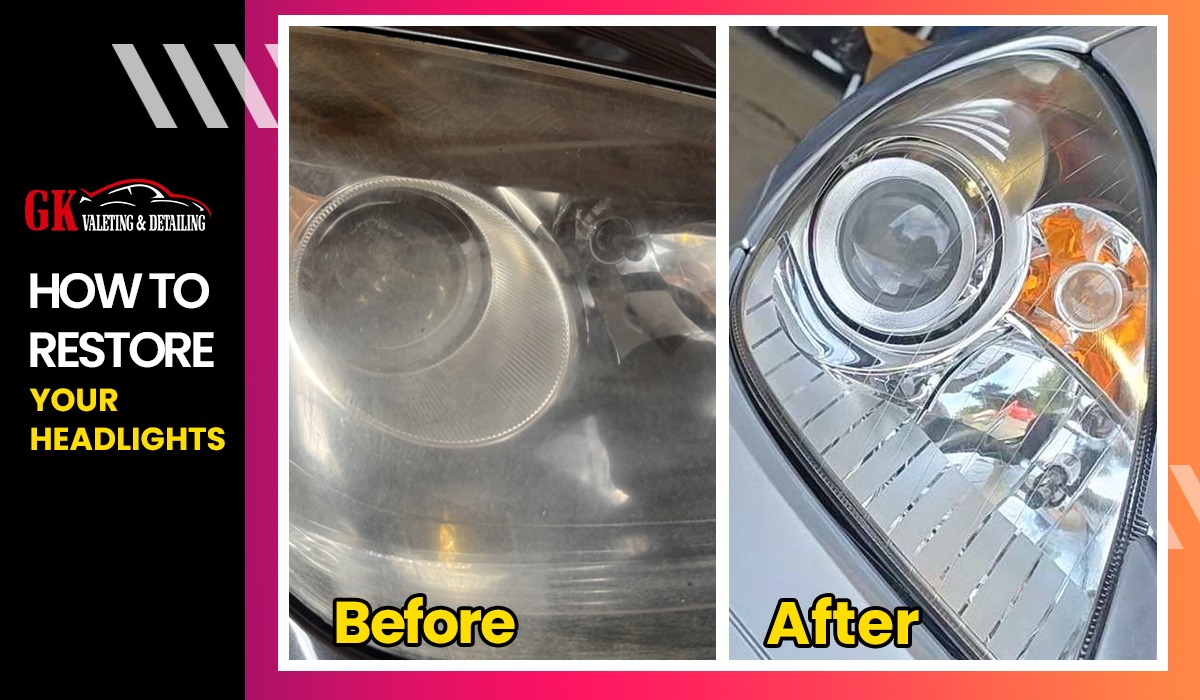
Clarity is vital to safety while on the road, particularly when driving at night and/or adverse weather conditions. Inevitably, over time, headlights get damaged by the sun’s UV radiation, road dirt, moisture, and general usage and become cloudy, yellowed, or foggy. This can impact headlight functionality, visibility, and appearance, causing your vehicle to age prematurely. Headlight Restoration services in Dublin is an excellent way to make cloudy headlights clearer without replacing the whole headlight.
Headlight restoration is an option that will help those drivers who wish to take care of their cars. With the proper preparation, restoration technique, and protection, one will be able to achieve great results with a cloudy plastic headlight lens. In this article, we will talk about reasons of deterioration, the process of headlight restoration, and when you should consider professional assistance by GK Valeting & Detailing.
What Causes Headlights to Become Cloudy or Yellow?
Most modern cars have polycarbonate plastic headlight lenses due to their low weight and high impact resistance properties. Nevertheless, the protective layer of such plastic can become gradually degraded, which makes the lens vulnerable to environment effects. The consequences include the cloudy or yellowing of the lens, which cannot be washed off during a regular car washing process.
There are several causes of the degradation of headlights:
- Sunlight: The protective coating of the lens becomes degraded under influence of sunlight.
- Road dirt and grime: Dust, mud, and other road debris accumulate on the surface of the lens.
- Climate: Environmental elements such as rain and temperature changes affect the condition of the headlight surface.
- Scratches: Road obstacles and the inappropriate treatment of the lens can cause small scratches.
- Age factor: Old cars are at higher risk of surface degradation and oxidation.
It allows one to know what the solution could be for cleaning, polishing, restoring, or even repairing the headlight assembly.
Why Is Headlight Restoration Important?
Headlight restoration is not just an enhancement that makes your car look nice. Clear lenses allow the headlight beam to go through the designated optical surface better if cloudiness is a result of oxidation or deterioration on the outside.
Hazed headlights can affect light distribution and the quality of a beam. This can lead to poor visibility of traffic marks, people, cyclist, and potential obstacles at night. The visibility of your car by others could also be impaired.
There are a few advantages of having clear headlight lenses:
- Improvement of visibility: External haze removal can help enhance light transmission in cases where the root of the problem is oxidation.
- Fresher look: Headlights looking clear will make the car appear more attractive.
- Saving money: Restoring good-looking lenses will probably be cheaper than replacing the whole assembly.
- Improved general look of the car: Clear headlights will match paint correction, polish, and other detailing procedures.
- Prevention: Using proper UV protection after restoration will slow down the process of surface oxidation again.
Remember that not all issues can be addressed through this process. Damaged bulb, wiring problems, internal condensation, broken reflector or lens cracks will need to be addressed differently.
What You Need for a Headlight Restoration
In case you have been thinking of performing a do-it-yourself repair job, ensuring that you have the right tools before beginning will help increase your efficiency. The specific materials required will depend on your restoration kit and the state of the headlight lenses. The below materials are those that are commonly required when doing restoration work on headlights using conventional restoration kit.
Materials and tools needed:
- Automobile shampoo or any other cleaning product suitable for the job.
- Fresh water and a spray bottle.
- Microfiber cloths.
- Automobile masking tape and cover.
- Wet and dry sandpaper of appropriate grades, if necessary.
- Headlight polish.
- Applicator pads for the headlight polish.
- Headlight sealant to protect your headlights from UV light damage.
- Any personal protective equipment such as gloves.
Always ensure that you use products meant for automobile headlight lenses. Household products, abrasive pads, and harsh chemicals might damage your headlights and the paint around them.
Work in a clean, shaded, and ventilated space while following manufacturer guidelines.
Step-by-Step Guide to Headlight Restoration
The process of headlight restoration usually involves cleaning, preparation, surface repair, polishing, and protecting the headlights. The following is just a general outline for performing headlight restoration that does not substitute the instructions provided with particular restoration kits.
Step 1: Inspect and Clean the Headlights
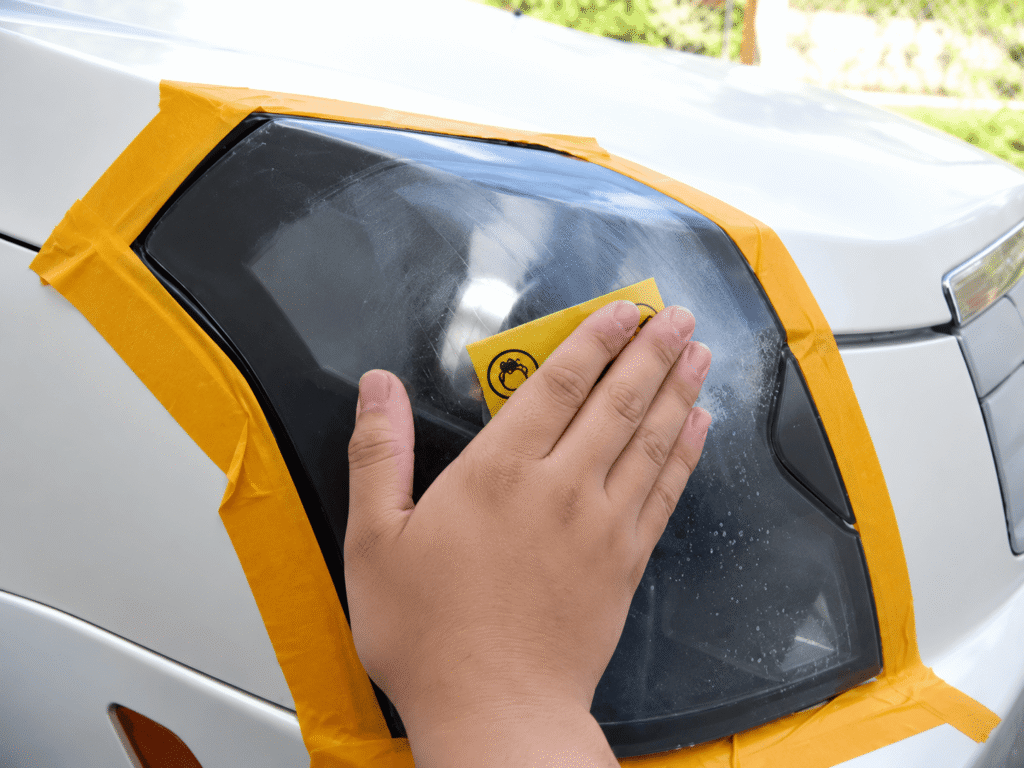
Begin with the analysis of both headlights’ lenses. Yellowing, haziness, scratches, cracks, condensation in the inner part of the lamp or any damage are to be checked out.
Next, wash the headlights using automotive soap and water to get rid of dust, insects, grime and other particles stuck on the lens.
This step is vital since the presence of dirt will impede the process of polishing and may lead to more scratches.
In case there are any cracks, serious condensation or damage to the headlights’ insides, consult an expert before moving on.
Step 2: Protect the Surrounding Paintwork
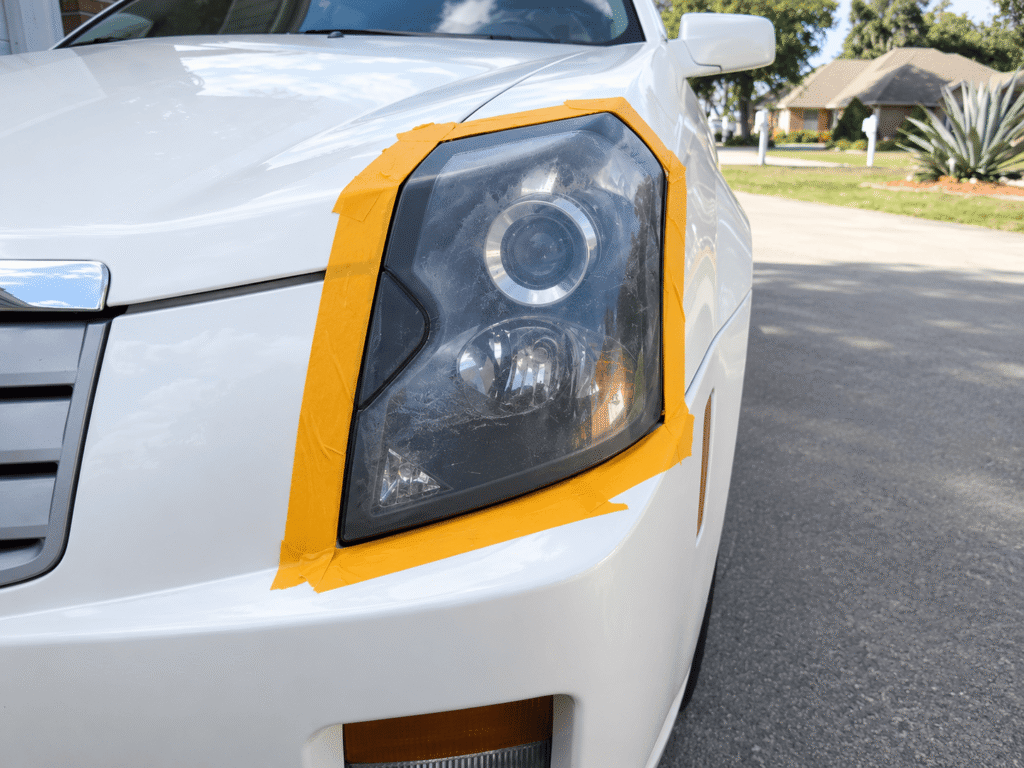
After cleaning the headlight, it must be masked using automotive masking tape. All areas near the headlight must be masked off if they are painted.
There may be marks on the surroundings due to sanding residue and polish if these parts are not masked off. It will also help you focus your attention on the lens itself without damaging any other surface by mistake.
Ensure that the tape does not mask the area that will be fixed. The tape should fit perfectly on all sides before proceeding to the next step.
Step 3: Remove the Oxidised Surface Layer
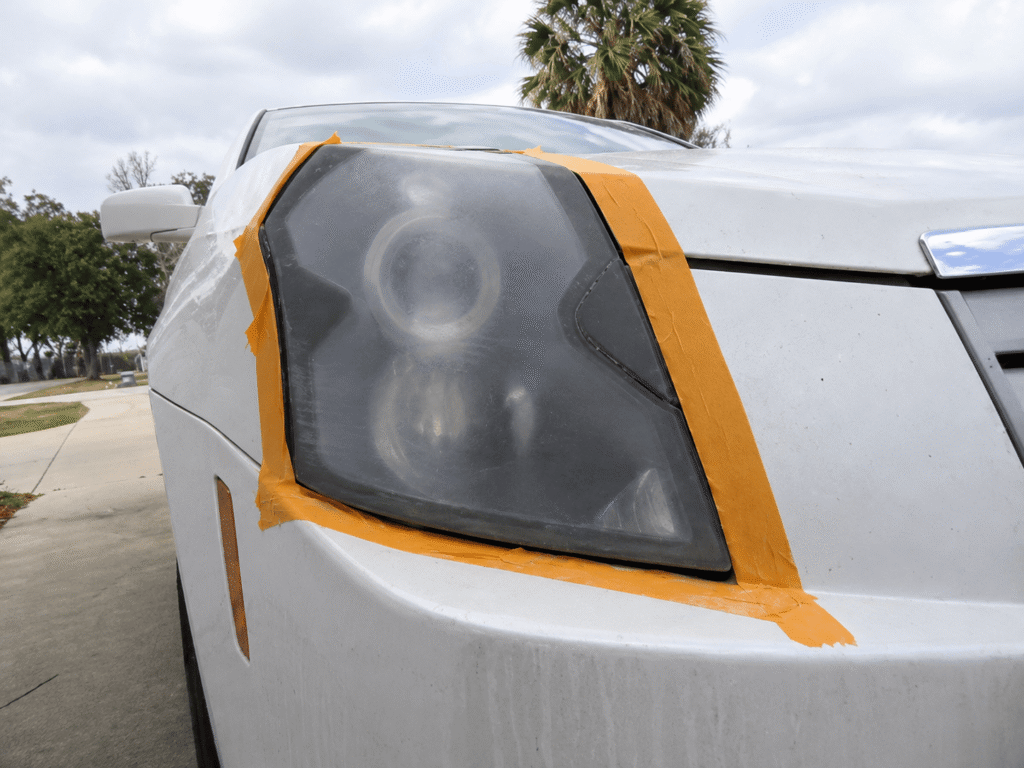
Where lenses have severe oxidized surfaces, controlled wet sanding may become a necessity to take away the deteriorated surface layer. The method involves using proper abrasives for the surface flatting prior to polishing.
Start from the grade suggested for your specific lens and equipment used for its restoration. Keep the surface sufficiently wet and move evenly and carefully. Advance to a smaller grit grade according to the instructions provided by the manufacturer.
It is important to get rid of the damaged surface without causing any extra scratches or taking away unnecessary amount of material.
Important: Wet sanding is a delicate operation that requires skill. Use of inappropriate abrasive grade, wrong pressure or improper sequence of operations may lead to permanent lens destruction. If you doubt in your skills – let professionals do the job for you.
Step 4: Polish the Headlight Lens
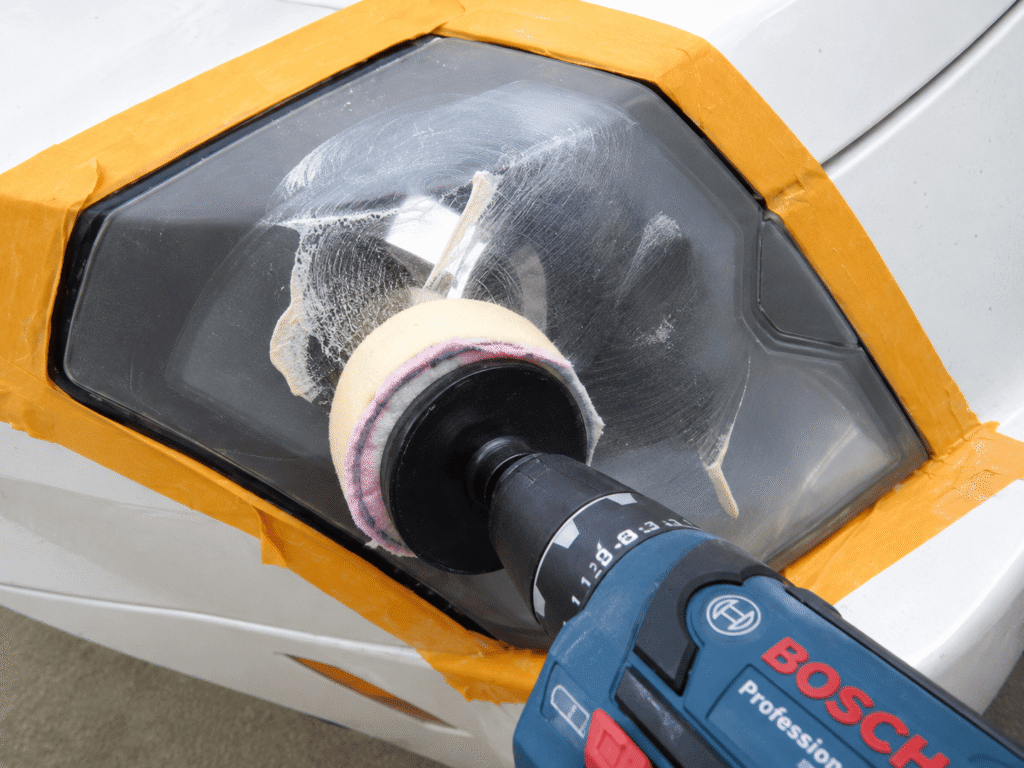
After sanding, the headlight can look evenly dulled. This is normal for many restoration kits since there is still work to do on the surface.
A proper polishing cream should be applied using the appropriate applicator. The polishing procedure should be done carefully with consideration to all product specifications, without any overheating or excess force.
This procedure allows refining of the surface after sanding and restoring its transparency. Any leftover polishing cream should be wiped off using a microfibre cloth and the results of the procedure should be checked.
If haze and scratches are still visible, the surface might require further treatment. However, sanding or polishing procedures should not be continued endlessly. Some damage can be found deeper than the surface layer and can’t be easily restored.
Step 5: Apply UV Protection
The next step involves ensuring that the repaired lens is properly protected. Polishing and sanding may strip off the protective coating of the lens, thus exposing it to further deterioration due to exposure to UV rays.
Coat the repaired lens with an appropriate UV-resistant protective sealant following the manufacturer’s instructions. Proper preparation and cleanliness of the lens before applying the coat are crucial.
Let the coat cure as recommended by the instructions. During this process, avoid cleaning the car and exposing the new coat to any environmental conditions that are not allowed by the instructions.
This process is very important since without it, the lens will start getting cloudy again much sooner. The longevity of the work will depend on several factors including the products used.
Step 6: Inspect the Results
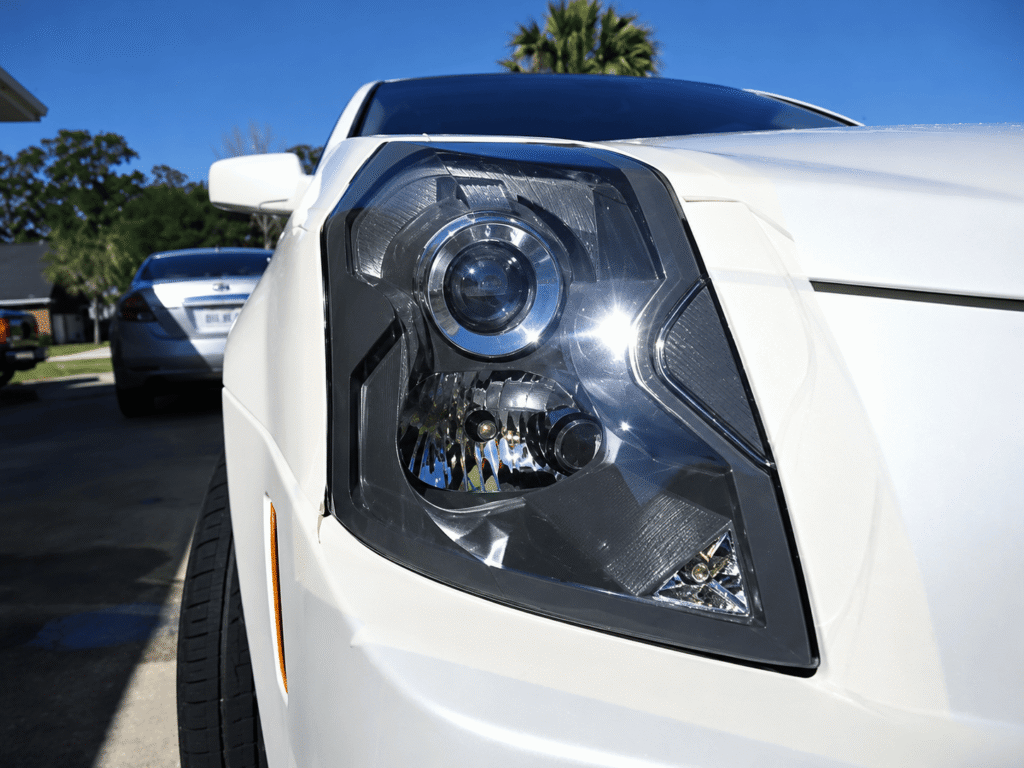
After curing the sealant, both the headlights should be examined using either natural light or proper shop light. Any haze left on the lenses, uneven finish, as well as scratches on the coating should be checked out.
The headlights should then be turned on and any problems such as difficulty in vision, wrong beam formation, as well as differences between the two headlights inspected.
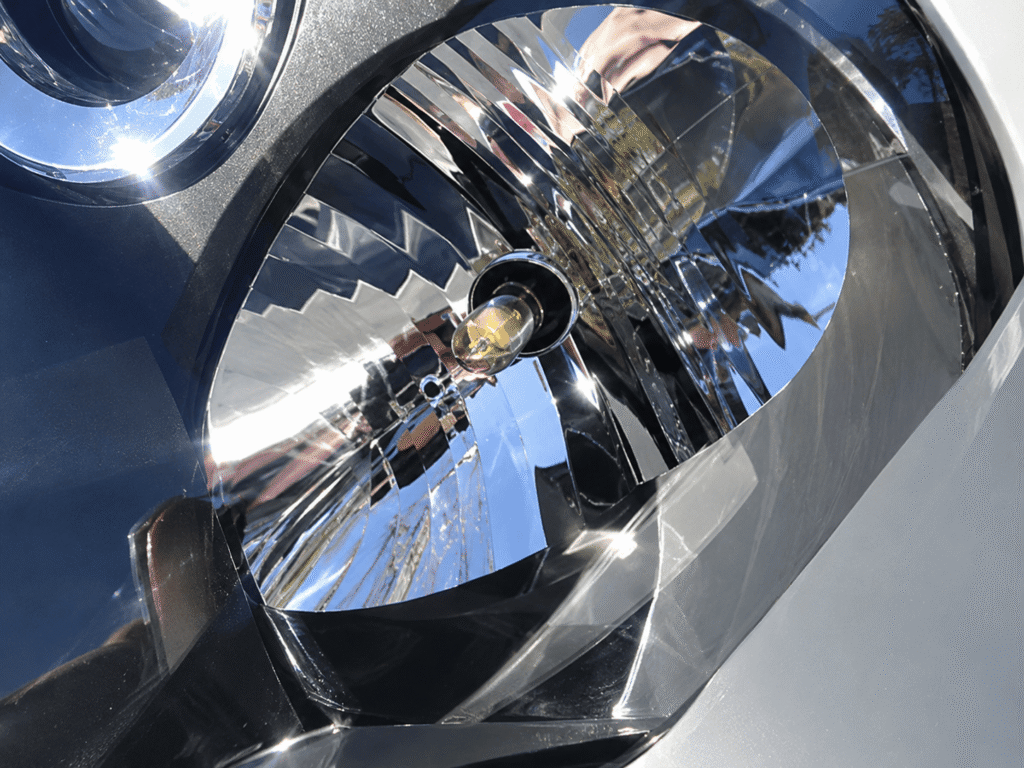
Headlight restoration can help in achieving clear lenses, but it does not take the place of checking the bulbs’ performance, alignment, and internal parts.
DIY Headlight Restoration vs Professional Restoration
DIY restoration kits could come in handy in cases of slight surface degradation, provided that the owner possesses the right resources and expertise to perform the job. Nevertheless, professional restoration would be a more advisable alternative in cases of serious oxidation of the lenses and an uneven finish.
| DIY restoration | Professional restoration |
| Requires you to purchase tools and materials | Equipment and suitable products are selected for the job |
| Results depend on your technique and experience | Experienced detailers can assess the lens and its condition |
| May involve trial and error | The process can be tailored to the severity of oxidation |
| Protective coating quality depends on the chosen kit | Appropriate protective products can be selected for the restoration |
If one wants to enhance their headlights as a part of a comprehensive car detailing procedure, professional restoration can be beneficial for that purpose too. A detailer will be able to determine if the issue is limited only to the exterior or whether it requires headlight repair/replacement.
For drivers who need Headlight restoration in Meath, it would be helpful to choose a detailing service provider who knows how to deal with different car finishes and conditions of headlights. The proper detailing service provider will talk about the realistic result before starting anything.
When Should You Consider Headlight Repair?
There are cases where a headlight problem cannot be fixed simply through polishing of the exterior lens. Knowing the difference between restoration and repair allows for the correct choice of the method to use.
Restoration is usually recommended in situations where the problem involves external oxidation, yellowing, or hazing. Repair or replacement of headlights will have to be considered if there are any cracks, damaged mounting points, moisture, reflector damage, electrical issues, or lighting problems.
Some of the signs that require you to seek professional help include:
- Presence of water droplets or moisture in the headlights.
- Presence of cracks and other damages.
- Flickering headlights.
- Uneven beams even after ensuring the outside lenses are clean.
- Haze originating from the inside of the headlight assembly.
An assessment will ensure that you do not waste your money on surface treatment where another solution is required.
Choose GK Valeting & Detailing for Headlight Restoration in Dublin and Meath
Headlight restoration is one very useful aspect of car maintenance, which will increase the clarity of the lenses, give your car a good look and help solve any problems relating to visibility due to surface oxidation. Cleaning, surface correction, polishing and protection from UV all play their own roles in ensuring satisfaction of the results.
While you can always try your luck using DIY headlight restoration kits, it might be a good idea to get professional help if the damages are serious or you need your headlight restoration done professionally. GK Valeting & Detailing provides headlight restoration as part of their professional car detailing services and caters to the drivers of Dublin and Meath. Headlight restoration is included in their list of specialties. Their workshop is fully insured.